For life sciences companies, digital asset management of documents and data is critical not only for legal compliance but also for meeting future technological demands. Digital assets must be maintained and migrated between systems over time to keep up with business changes such as process updates or even mergers and acquisitions. Digital assets may also need to be migrated due to technological changes such as the purchase of new systems or applications. Digital assets must be available for evidential purposes, with a documented audit trail of how they have been moved and who moved them. Reporting and analytics are a key part of digital asset management as well.
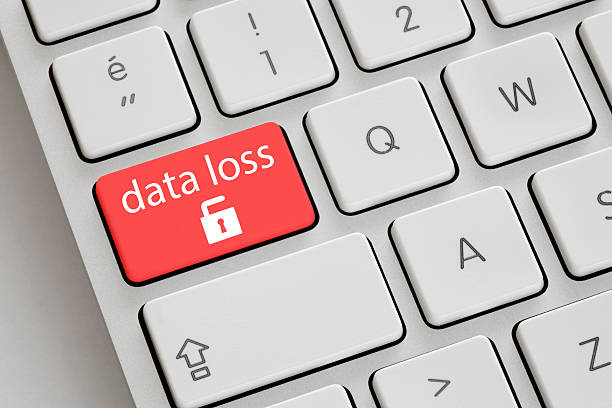
Digital assets can originate from heterogenous sources, internal as well as external. These systems generally have complex integrations. If an asset management system needs to be migrated along with its integration ecosystem, then due precaution needs to be taken in designing the migration process. Even with best practices and procedures, data migration is not 100% foolproof. Data loss caused by even a small error may result into huge penalties for an organization.
Data loss can happen due to common errors such as:
- Poor data quality: Minor spelling errors, missing information, incorrect information, and duplicate data can lead to failures to load the data properly to the target system
- Incomplete data analysis: It is difficult to have complete visibility into the entire dataset of the legacy system, which can cause errors to appear only once the migration is underway. A thorough analysis of the data should always be performed up front. Multiple end-to-end dry runs also significantly reduce the risk of any surprises.
- Coordination issues: When multiple people are working on multiple systems as part of a data migration, coordination errors are likely to occur. The migration process should always be transparent and integrated to account for this.
- Insufficient back-ups: Redundancies should be built into the data migration process to ensure that all data can be recovered if lost or corrupted. This can even take the form of making back-ups of the back-up itself.
- Poor migration strategy: Proper planning should consist of data organization, selection of migration toolset, and process as well as tool qualification.
Thankfully, these common errors are preventable. With the right use of technology and processes, we have had experience in reducing data loss to virtually zero percent. The following techniques have proven extremely useful in preventing data loss for data asset migrations:
1. Design thinking workshops to understand complete data flow
2. Using a “Secure by Design” approach
3. Qualified process and ETL tools
4. Built-in Business error re-processing logic to prevent complete process failure
Deploying the right set of resources and practices with the advent of innovative technology can address this problem. To learn more about our success stories and best practices for preventing data leaks in data migration projects, please contact a member of the Prana Life Sciences team.
Also Read,